Equatorial Mount Stability
These mounts help you track planets across the night sky.
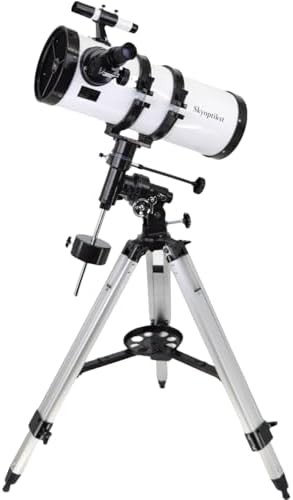
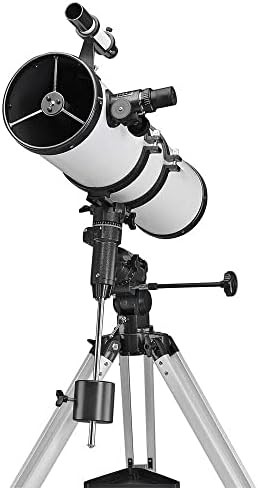
These high-power reflector systems are built for observers who want to see the details of Saturn, Jupiter, and the moon
These mounts help you track planets across the night sky.
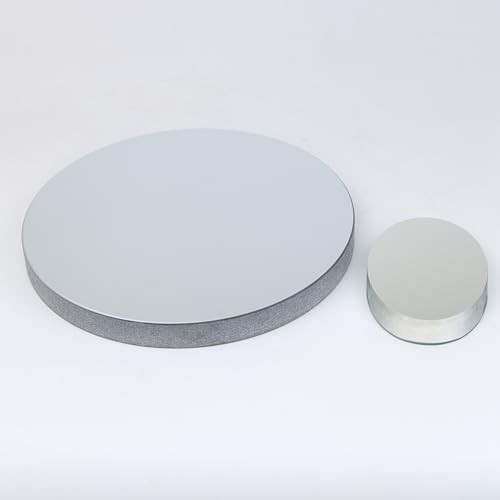
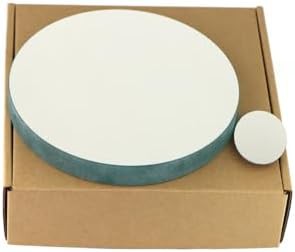
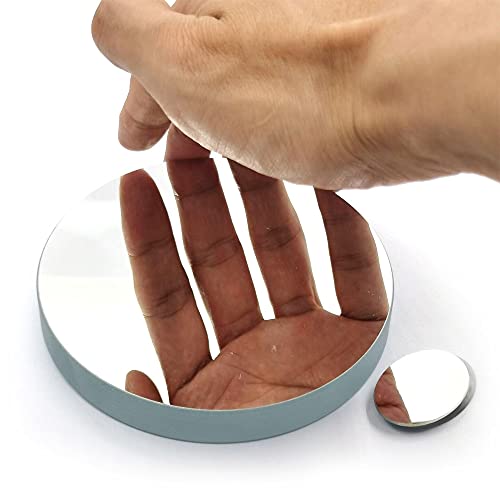
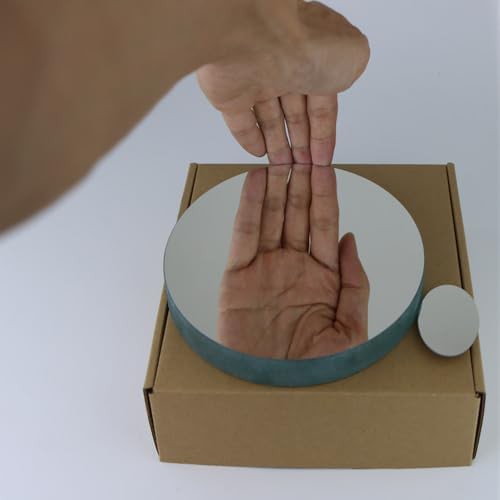
The 150 mm mirrors capture significant light for deep viewing.
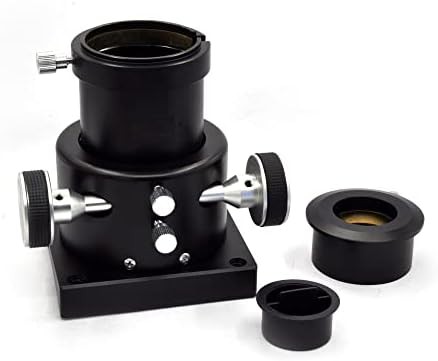
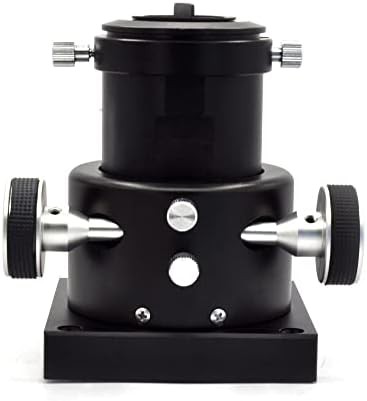
All-metal Crayford-style focusers provide smooth adjustments for sharp images.
This set features Newtonian reflector designs with spherical primary mirrors and focal lengths up to 750 mm. The hardware focuses on high-magnification capabilities for serious lunar and planetary study.

4 telescopes listed here, grouped as For moon viewing, Reflector telescopes, Equatorial mounts, 50mm aperture.
What you get is what the titles name. Sample models: Skyoptikst 2-inch metal crayford focuser; Skyoptikst 150mm equatorial reflector telescope; Skyoptikst 150mm 750mm sphere mirror.
If you need For moon viewing, Reflector telescopes, Equatorial mounts, 50mm aperture, this is the Skyoptikst set to scan.
The useful differences sit in For moon viewing, Reflector telescopes, Equatorial mounts, 50mm aperture, not in a brand slogan.
The 150 mm reflector makes the rings of Saturn look incredibly crisp on clear nights.
I used the metal Crayford focuser to upgrade my setup and the movement is very smooth.
The equatorial mount makes it much easier to keep Jupiter in the frame while I watch.
These models are designed for viewing the moon, Saturn, and Jupiter. The high-power reflector design is ideal for planetary details.
This set features equatorial mounts. These are preferred for astronomy because they allow for easier tracking of celestial objects.
Yes, this catalog includes spherical primary mirrors and metal focusers. These are intended for building or repairing Newtonian reflector telescopes.
The primary models in this set feature a 150 mm aperture. This size is excellent for gathering light for high-magnification viewing.